
Understanding the Mastiff’s Temperament
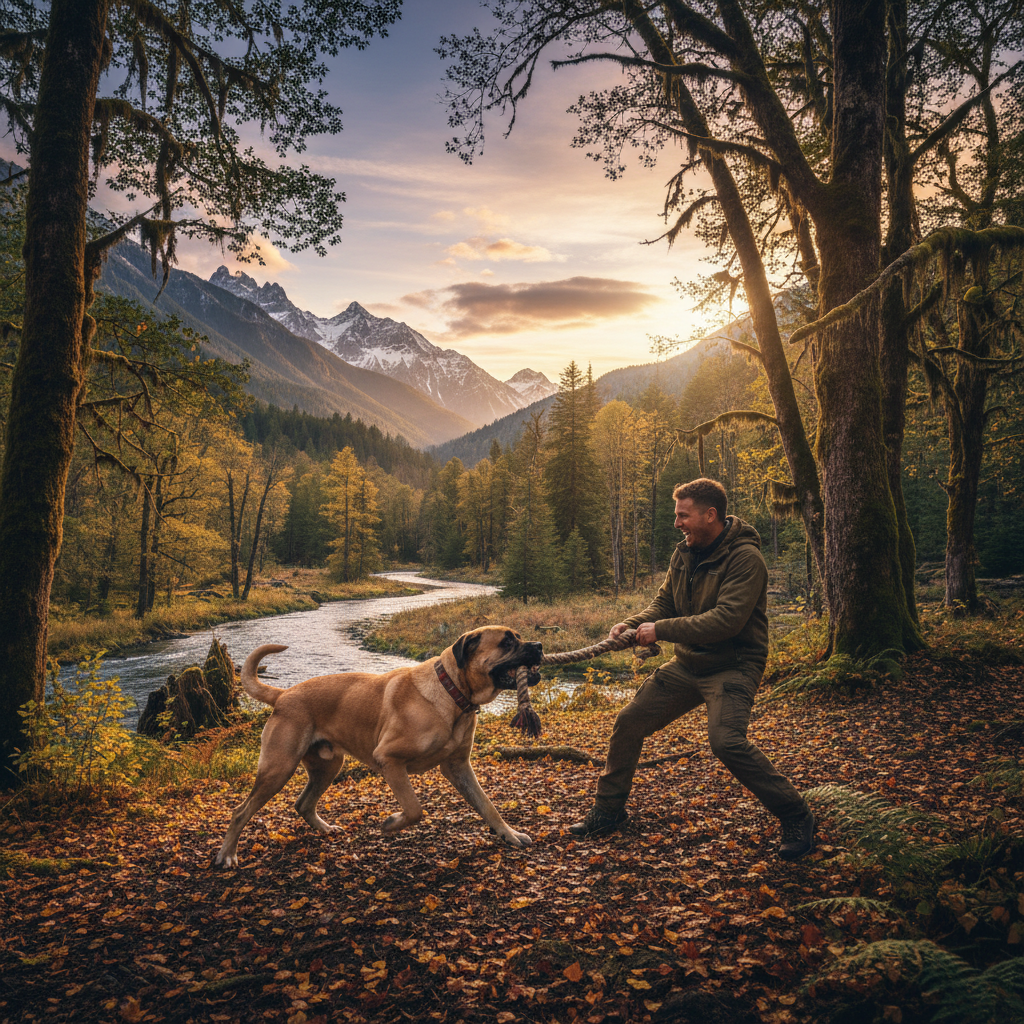
The Mastiff, a breed revered for its imposing size and powerful build, is often misunderstood. Far from being aggressive, these majestic dogs are renowned for their incredibly gentle and loving nature, earning them the nickname ‘gentle giants’. Their character is a fascinating blend of courage, loyalty, and an almost unwavering placidity.
Loyalty and Protectiveness
At the core of the Mastiff’s character is an profound loyalty to its family. They form deep bonds with their human companions and exhibit a natural instinct to protect them. This protective streak, however, rarely manifests as unprovoked aggression. Instead, a well-socialized Mastiff will typically place itself between its family and a perceived threat, using its intimidating presence rather than direct confrontation. They are excellent guardians, always aware of their surroundings, but not overly reactive.
Temperament with Children and Other Animals
Mastiffs are remarkably good with children, often displaying immense patience and tolerance. Their calm demeanor and robust build make them surprisingly gentle playmates, though supervision is always recommended due to their sheer size. With other pets, especially if raised together, Mastiffs generally coexist peacefully. Early socialization is key to fostering their naturally amiable disposition towards both humans and other animals, ensuring they grow into well-adjusted, confident companions.
The Importance of Training and Socialization
Despite their inherently good nature, proper training and extensive socialization from a young age are crucial for a Mastiff. Given their size and strength, an untrained Mastiff can inadvertently cause issues. Consistent, positive reinforcement training helps channel their protective instincts and ensures they are polite and manageable members of the household. Their desire to please and intelligent nature makes them responsive to training, solidifying their reputation as devoted and gentle giants.